
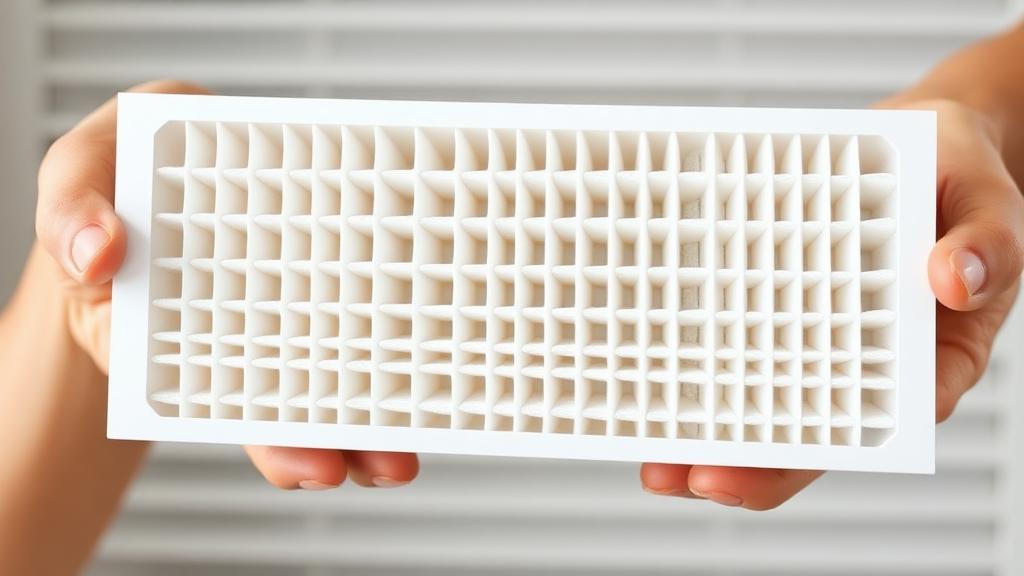
The Ultimate Guide to HVAC Air Filters
Everything you need to know about selecting, maintaining, and replacing the right air filter for your system.
Why Air Filters Matter
Your HVAC air filter serves two critical purposes: protecting your equipment and improving indoor air quality. A clean filter ensures proper airflow while trapping particles that could damage your system or affect your health.
System Protection
- Prevents dust buildup on evaporator coils
- Protects blower motor and other components
- Maintains proper airflow and efficiency
- Reduces repair costs and extends system life
Air Quality
- Removes dust, pollen, and pet dander
- Reduces allergens in your home
- Traps mold spores and bacteria
- Creates cleaner, healthier indoor air
Types of HVAC Air Filters
Fiberglass Filters
BudgetThe most basic and affordable option. Made of layered fiberglass fibers, these filters catch large particles but offer minimal filtration for smaller pollutants.
Pleated Filters
RecommendedMade of polyester or cotton folds that increase surface area. The most popular choice for residential HVAC systems, offering good balance of filtration and airflow.
Electrostatic Filters
SpecialtyUse self-charging fibers to attract particles like a magnet. Available in disposable and washable versions. Good for pet owners and allergy sufferers.
HEPA Filters
PremiumHigh-Efficiency Particulate Air filters capture 99.97% of particles 0.3 microns or larger. Typically used in hospitals and cleanrooms. Most residential HVAC systems cannot accommodate true HEPA filters.
Media Filters (4-5 inch)
Long-lastingThick pleated filters that fit in special cabinets. Larger surface area means better filtration with less airflow restriction. Last 6-12 months between replacements.
Understanding MERV Ratings
MERV (Minimum Efficiency Reporting Value) measures a filter's ability to capture particles. Ratings range from 1-20, with higher numbers indicating better filtration.
| MERV | Captures | Best For |
|---|---|---|
| 1-4 | Pollen, dust mites, carpet fibers | Basic protection, minimal filtration |
| 5-8 | Mold spores, pet dander, dust | Average residential use |
| 8-11 | Lead dust, auto emissions, welding fumes | Recommended for most homes |
| 12-13 | Bacteria, smoke, droplet nuclei | Allergy/asthma sufferers |
| 14-16 | Viruses, carbon dust, sea salt | Hospitals, labs (check system compatibility) |
| 17-20 | Smallest particles, viruses | Cleanrooms, surgery (not for residential) |
Warning: Higher MERV isn't always better. Filters above MERV 13 may restrict airflow too much for standard residential systems, potentially causing damage. Check your system's specifications before upgrading.
When to Replace Your Filter
General Guidelines
- 1-inch fiberglass: Every 30 days
- 1-2 inch pleated: Every 1-3 months
- 4-inch pleated: Every 6 months
- 5-inch pleated: Every 9-12 months
Replace More Often If You Have:
- Pets (especially multiple or shedding breeds)
- Allergies or asthma
- Smokers in the home
- Recent construction or renovation
- High dust environment
- System runs frequently (hot/cold climate)
Signs Your Filter Needs Changing
- Filter appears gray or clogged when held to light
- Increased dust on furniture and surfaces
- Reduced airflow from vents
- System running longer or cycling more frequently
- Unusual smells when system runs
- Allergy symptoms worsening
How to Choose the Right Filter
Step 1: Check Your Current Filter Size
Look at the size printed on your current filter's frame. Common sizes include 16x20x1, 20x25x1, and 16x25x4. Always use the exact size – filters must fit snugly.
Step 2: Consider Your Needs
Standard homes without pets or allergies: MERV 8. Homes with pets or mild allergies: MERV 11. Severe allergies or respiratory issues: MERV 13 (verify system compatibility first).
Step 3: Check System Specifications
Review your HVAC manual or consult a technician to confirm the maximum MERV rating your system can handle without airflow issues.
Step 4: Set a Replacement Reminder
Mark your calendar or set a phone reminder to check and replace your filter regularly. Consistent maintenance is key to system health and air quality.
Frequently Asked Questions
How often should I change my HVAC air filter?
Standard 1-inch filters should be changed every 1-3 months. Thicker 4-5 inch filters can last 6-12 months. Check monthly and replace when visibly dirty.
What MERV rating should I use?
MERV 8-11 works well for most homes. MERV 13 is good for allergies but verify your system can handle it. Higher ratings restrict more airflow.
Can a dirty filter damage my HVAC system?
Yes. Restricted airflow causes frozen coils, overheating, higher energy bills, and premature component failure. Regular filter changes are essential maintenance.
Know Your System's Age
Older systems may have different filter requirements. Use our free tool to find out when your HVAC was manufactured.
Use the Age CalculatorRelated Articles
When Should You Replace Your HVAC System?
Learn the key signs that indicate it's time to replace your aging air conditioner, heat pump, or furnace.
Read more10 Tips to Improve Your HVAC Efficiency
Simple steps to reduce energy bills and extend the life of your heating and cooling equipment.
Read moreUnderstanding SEER Ratings
A complete guide to SEER ratings and how they affect your energy costs and comfort.
Read more