
10 Tips to Improve Your HVAC Efficiency
Simple, actionable steps to reduce your energy bills and extend the life of your heating and cooling system.
Why HVAC Efficiency Matters
Heating and cooling account for nearly half of your home's energy consumption. Small improvements in HVAC efficiency can lead to significant savings—often 10-30% reduction in energy bills.
Beyond cost savings, an efficient system runs less frequently, experiences less wear and tear, and lasts longer. These tips require minimal investment but deliver maximum impact.
10 Energy-Saving Tips
Change Air Filters Regularly
5-15% energy savingsA dirty filter makes your system work harder, consuming more energy. Replace 1-inch filters every 1-3 months, or thicker filters every 6-12 months.
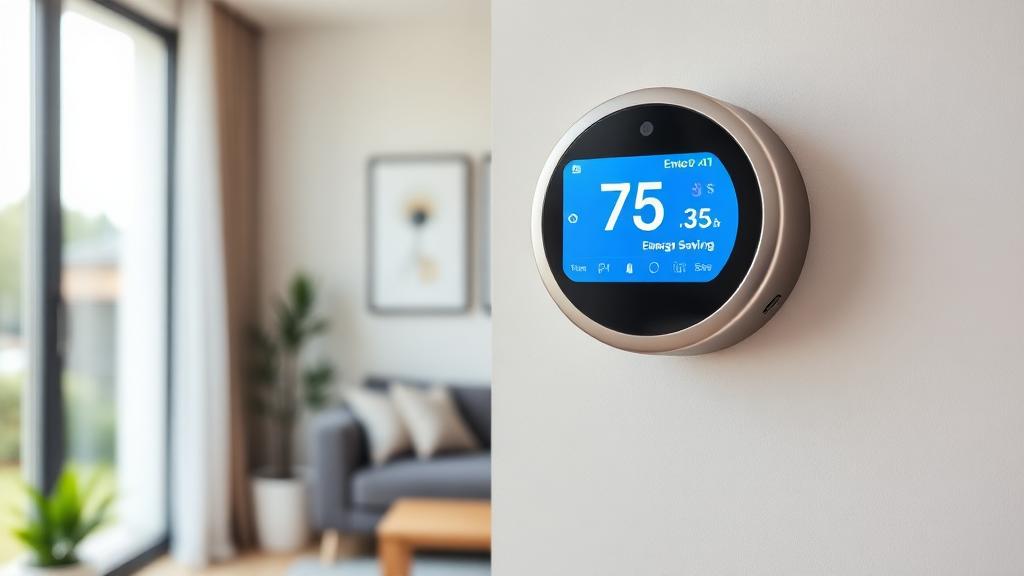
Install a Programmable Thermostat
Up to 10% annuallySet temperatures to automatically adjust when you're asleep or away. Smart thermostats learn your schedule and optimize heating and cooling automatically.
Seal Air Leaks
10-20% energy savingsCheck windows, doors, and ductwork for leaks. Use weatherstripping and caulk to seal gaps. Duct sealing alone can improve efficiency by 20%.
Add Insulation
10-50% heating/cooling savingsProper insulation in your attic, walls, and floors keeps conditioned air inside. Focus on the attic first—heat rises and escapes quickly through poorly insulated attics.
Use Ceiling Fans Strategically
Raise thermostat 4°F without discomfortIn summer, run fans counterclockwise to create a cooling breeze. In winter, run them clockwise on low to push warm air down from the ceiling.
Keep Outdoor Unit Clear
Up to 5% efficiency improvementMaintain at least 2 feet of clearance around your outdoor condenser. Remove leaves, debris, and vegetation that can restrict airflow and reduce efficiency.
Close Blinds and Curtains
Up to 7% energy savingsBlock direct sunlight in summer to reduce cooling load. In winter, open south-facing curtains during the day to capture free solar heat.
Schedule Professional Maintenance
5-15% efficiency improvementHave your system inspected and tuned up twice yearly—spring for AC, fall for heating. Professionals catch issues early and optimize performance.
Don't Block Vents
Prevents efficiency lossKeep furniture, curtains, and rugs away from supply and return vents. Blocked vents create pressure imbalances and force your system to work harder.
Consider a System Upgrade
20-40% energy savingsIf your system is over 10-15 years old, upgrading to a high-efficiency unit can dramatically reduce energy costs. Look for ENERGY STAR certified equipment.
Quick Wins You Can Do Today
No-Cost Actions
- Adjust thermostat 2-3 degrees
- Open/close blinds based on sun position
- Move furniture away from vents
- Clean debris from outdoor unit
- Check and clean air filter
Low-Cost Improvements
- Install a programmable thermostat ($25-250)
- Add weatherstripping to doors ($10-50)
- Caulk around windows ($5-15)
- Buy quality replacement filters ($15-40)
- Install door sweeps ($10-30)
Recommended Temperature Settings
The Department of Energy recommends these settings for optimal comfort and efficiency:
Lower to 60-65°F when sleeping or away
Raise to 82-85°F when sleeping or away
Pro Tip: Each degree you adjust saves approximately 1-3% on energy costs. A 7-10°F adjustment for 8 hours daily can save up to 10% annually.
Frequently Asked Questions
What is the most efficient temperature to set my thermostat?
The Department of Energy recommends 68°F in winter when you're home and awake, and 78°F in summer. Lowering the thermostat 7-10°F for 8 hours a day can save up to 10% on heating and cooling costs annually.
How much can I save by improving HVAC efficiency?
Homeowners can save 10-30% on energy bills by implementing efficiency improvements like regular maintenance, sealing air leaks, adding insulation, and upgrading to a programmable thermostat.
Does closing vents in unused rooms save energy?
Contrary to popular belief, closing vents can actually increase energy costs. It creates pressure imbalances in your duct system, making your HVAC work harder and potentially causing damage.
Is Your System Due for an Upgrade?
Older systems are less efficient. Find out how old your HVAC is and whether upgrading could save you money in the long run.
Check Your System AgeRelated Articles
When Should You Replace Your HVAC System?
Learn the key signs that indicate it's time to replace your aging air conditioner, heat pump, or furnace.
Read moreUnderstanding SEER Ratings
A complete guide to SEER ratings and how they affect your energy costs and comfort.
Read moreThe Ultimate Guide to HVAC Air Filters
Everything you need to know about selecting and maintaining the right air filter for your system.
Read more